How to Freeze Food the Right Way to Reduce Waste and Save Money
Your freezer is the single most powerful tool you have for fighting food waste — and most of us barely use half its potential. That bag of spinach going slimy, the half-loaf of bread nobody finished, the big batch of soup you'll never eat in one sitting: nearly all of it can be paused in time, saved for a future meal, and rescued from the bin.
The trick is knowing what to freeze, how to freeze it, and how to thaw it so it still tastes good. Get those right and your freezer becomes a money-saving, waste-slashing time machine. Here's everything you need to know.
Why Freezing Is Your Best Anti-Waste Habit
Freezing works by slowing everything down. At around −18°C, the microbes and enzymes that spoil food essentially go dormant. Food doesn't get "better" in the freezer, but it stops getting worse — which means you can buy in bulk, cook in batches, and stop racing against expiry dates.
That translates directly into savings. When you freeze leftovers and surplus instead of tossing them, you stretch every grocery pound further. If you want to see exactly what's at risk of going off before it hits the freezer, Food Waste Manager can track your inventory and nudge you to act in time.
Foods That Freeze Beautifully
Some foods come out of the freezer almost indistinguishable from fresh. Keep these on your go-to list:
- Bread and baked goods — slice a loaf first so you can pull out just what you need.
- Cooked meals — soups, stews, curries, chili, and casseroles freeze and reheat wonderfully.
- Raw meat and fish — freeze on or before the use-by date, in portion sizes you'll actually use.
- Most vegetables — peas, beans, broccoli, spinach, and peppers freeze well (blanch firmer veg first).
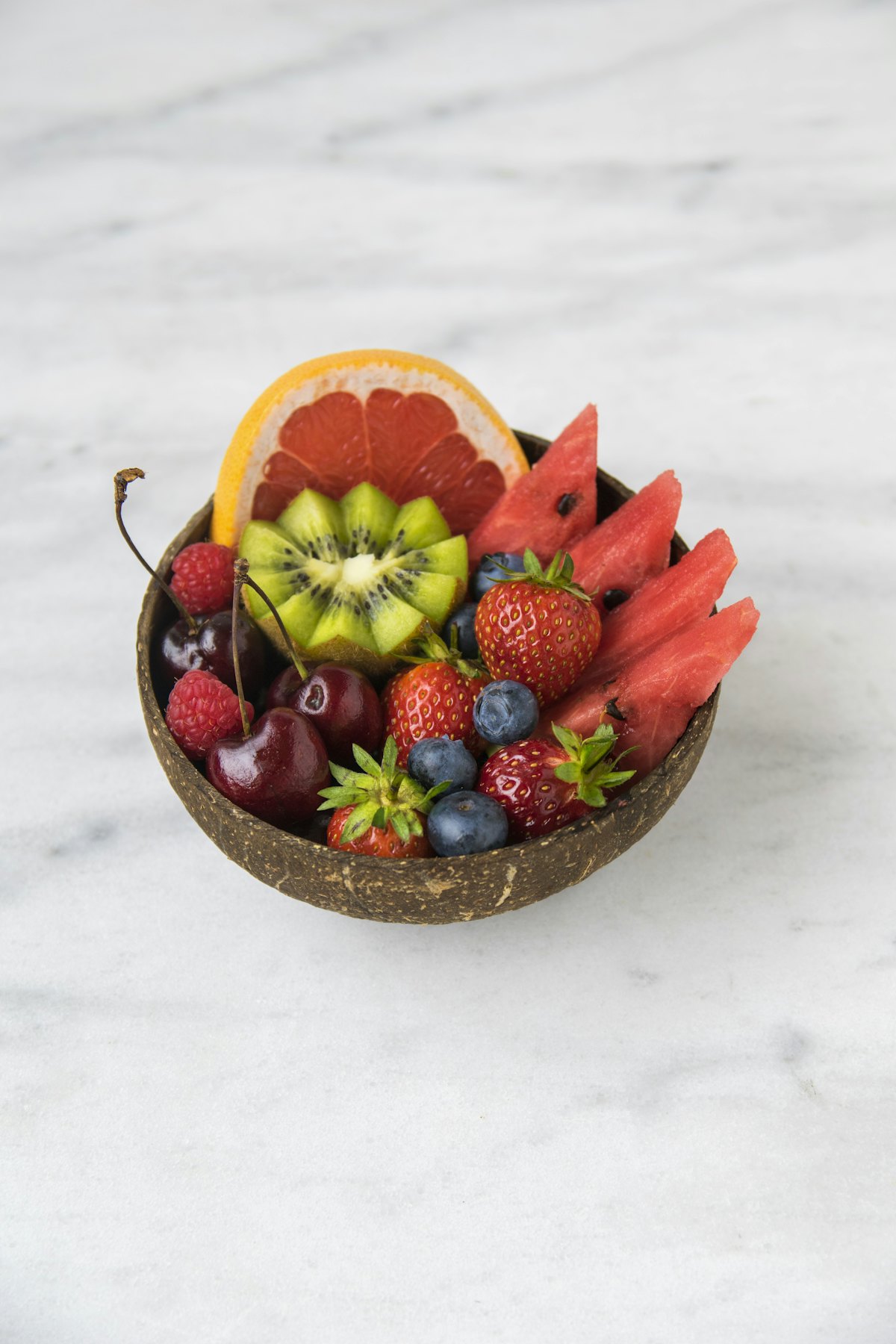
- Berries and sliced fruit — freeze flat on a tray, then bag them up for smoothies and baking.
- Herbs — chop and freeze in ice-cube trays with a little olive oil or water.
- Grated cheese, butter, and milk — all freeze fine and save last-minute shopping trips.
Foods That Don't Freeze Well
A few things suffer in the cold, mostly because of their high water content, which turns to ice crystals and breaks down their texture:
- High-water salad veg — lettuce, cucumber, and raw tomatoes go limp and watery.
- Cream-based sauces and plain dairy — they can split or turn grainy (though they're often fine once cooked into a dish).
- Cooked pasta and rice on their own — freeze best when mixed into a sauce or bake.
- Whole eggs in the shell — they crack; freeze them beaten instead.
- Fried foods — they lose their crispness and turn soggy.
This is where a little planning helps. Instead of freezing wilting salad, turn it into a cooked dish first — our guide on what to cook with what you have is full of ideas for using odds and ends.
How to Prevent Freezer Burn
Freezer burn — those grey, dry, leathery patches — happens when air reaches the surface of your food and draws out moisture. It's not unsafe, but it tastes terrible. Beat it with a few simple habits:
- Squeeze out the air. Press as much air as possible out of freezer bags before sealing, or use a straw to suck the last of it out.
- Wrap tightly. Double-wrap meat and bread, or use airtight containers filled close to the top.
- Portion before freezing. Smaller portions freeze faster and let you thaw only what you need.
- Cool food first. Let hot food cool to room temperature before freezing so it doesn't warm the freezer or form excess ice.
Label Everything (Yes, Really)
The "mystery freezer bag" is a classic source of waste — nobody eats what they can't identify. Take ten seconds to label each item with its contents and the date you froze it. A cheap roll of masking tape and a marker is all you need.
As a rough guide, most cooked meals keep well for 3 months, raw meat for 4 to 6 months, and bread for around 3 months. They're safe indefinitely at −18°C, but quality slowly fades. If you're unsure whether something is still good once thawed, our post on how long food lasts can help you judge.
Defrost Safely, Every Time
Thawing is where good freezing habits can quietly go wrong. Follow these rules to keep food safe and tasty:
- Thaw in the fridge overnight whenever you can — it's the safest, gentlest method.
- Cook from frozen for many veg, soups, and small cuts — no thawing needed.
- Use the microwave's defrost setting when you're short on time, then cook straight away.
- Never refreeze raw food once it's thawed unless you cook it first — cooked leftovers can then go back in the freezer.
- Eat thawed food promptly, ideally within 24 hours.
Start Small, Save Big
You don't need to overhaul your whole kitchen overnight. Pick one habit this week — freezing your leftover portions, or bagging up bread before it goes stale — and build from there. Before long, your freezer becomes a safety net that catches food before it's wasted and keeps money in your pocket.
Ready to see what's about to expire in your kitchen right now? Let Food Waste Manager keep track for you, so nothing slips to the back of the fridge and gets forgotten again.
🥗 Put this into practice automatically. Food Waste Manager tracks your pantry, suggests meals that use soon-to-expire food first, and shows how much you save. Start free →