The Psychology of Impulse Grocery Buys (and How to Stop Them)
You went in for milk and a loaf of bread. You came out with a bulging bag, a receipt that made you wince, and a strange new jar of something you'll probably never open. Sound familiar? Impulse grocery buys are one of the sneakiest drains on both your budget and your fridge — and they're a leading cause of the food that ends up forgotten and tossed.
The good news: impulse buying isn't a personal failing. It's the predictable result of environments carefully engineered to nudge you. Once you understand the psychology at play, you can shop with far more intention. Here's what's really happening in the aisles, and how to take back control.
Why Supermarkets Are Designed to Make You Buy More
Grocery stores are among the most studied retail environments on earth. Almost nothing about their layout is accidental. A few of the classic tactics:
- Staples are placed at the back. Milk, eggs and bread — the things most people come for — are usually as far from the entrance as possible, so you walk past hundreds of temptations to reach them.
- Eye-level is buy-level. The most profitable products sit right where your gaze naturally lands, while cheaper options hide on the top and bottom shelves.
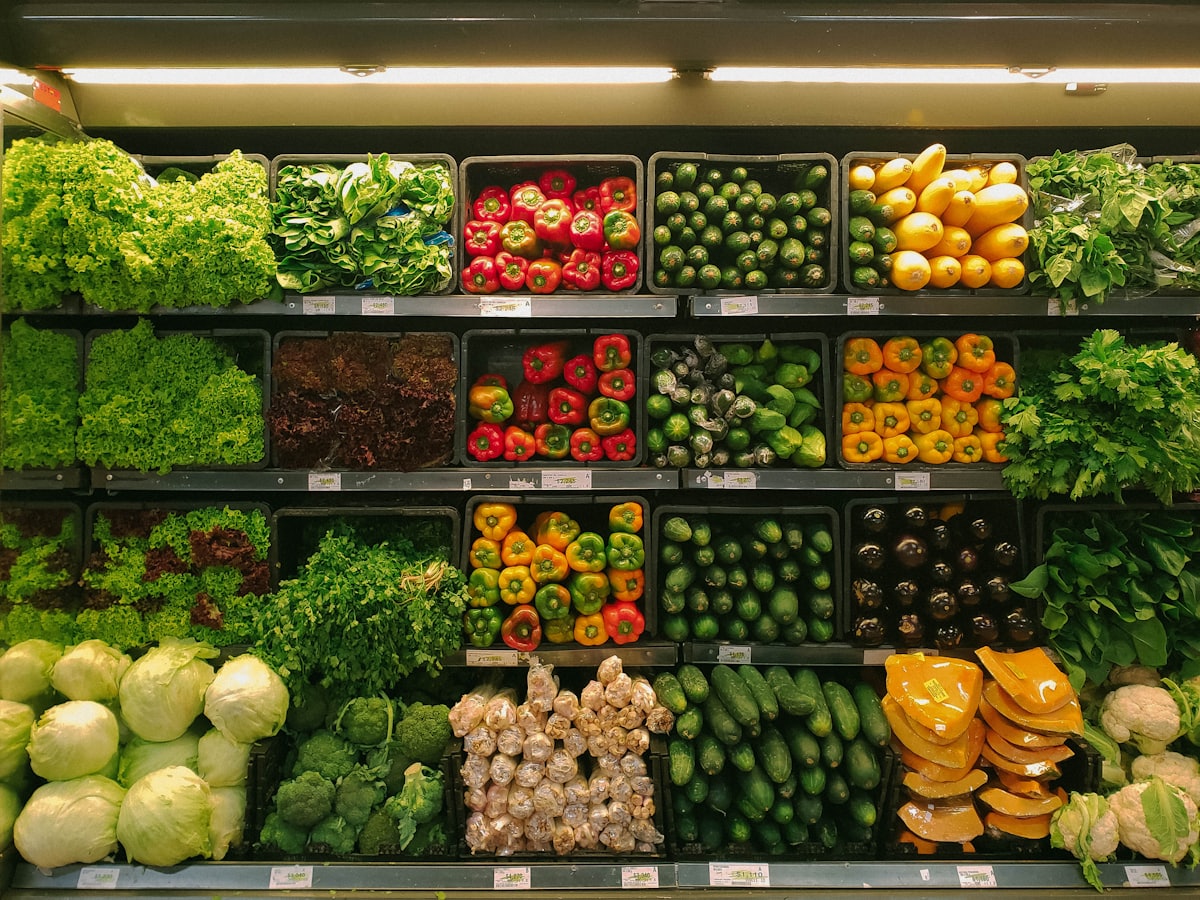
- The senses get involved. The bakery near the door fills the air with warm bread smell; slow music encourages you to linger; bright produce up front signals freshness and puts you in a generous mood.
- End caps and checkout lanes are prime real estate for “grab it now” items you never planned to buy.
None of this is sinister — it's just business. But knowing it's happening is the first step to shopping past it.
The Emotional Triggers Behind Impulse Buys
Layout is only half the story. The other half is us. Impulse purchases are usually driven by feelings rather than needs:
- Hunger. Shopping on an empty stomach makes almost everything look good — and calorie-dense, packaged foods look best of all.
- Stress and reward. A treat in the trolley can feel like a small act of self-care after a hard day.
- Fear of missing out. “2 for 1” and “limited time” deals trigger a sense of scarcity that overrides whether you actually need the item.
- Optimism about the week ahead. We buy the ingredients for the person we hope to be — the one who'll cook elaborate meals every night — not the tired person we usually are by Wednesday.
That last one is a huge driver of food waste. Aspirational buys are the kale that rots and the fancy cheese that goes untouched.
How Impulse Buying Fuels Food Waste
The connection is direct. Food you didn't plan for is food you have no plan to use. It doesn't fit a recipe, it competes for fridge space, and it quietly slides past its prime while you cook the meals you actually intended. Studies consistently find that unplanned purchases are far more likely to be thrown away than items bought from a list. Every impulse buy that spoils is money paid twice: once at the till, and again in the waste it becomes.
Practical Ways to Shop With Intention
You don't need iron willpower — you need a few systems that make the good choice the easy choice:
- Never shop hungry. Eat something first, even a small snack. Your trolley will thank you.
- Always bring a list — and stick to it. Build it around meals you'll realistically cook this week. If you're not sure what you already have, our guide on what to cook with what you have is a great place to start.
- Shop the perimeter first. Fresh basics live around the edges; the center aisles are where impulse packaged goods lurk.
- Use the 24-hour rule for non-essentials. If something isn't on your list, ask whether you'll still want it tomorrow. Usually the urge passes.
- Shop online when you can. Digital carts remove the sensory triggers and let you see your running total before you commit.
- Do a fridge check first. Knowing what you already own prevents doubling up. Learning to read your fridge like a chef makes this second nature.
Turn Awareness Into a Habit
Beating impulse buys isn't about deprivation — it's about matching what you buy to what you'll actually eat. Start by tracking what you throw away for a couple of weeks. The patterns will surprise you, and they'll quietly reshape your shopping list better than any rule could. That's exactly what Food Waste Manager is built for: it helps you keep tabs on what's in your kitchen, use things before they expire, and shop with a clear picture of what you really need.
Next time you're tempted by that end-cap display, take a breath and picture it a week from now. If you can see yourself cooking it, great. If you can only see it wilting at the back of the fridge, leave it on the shelf — your budget and the planet will both be better for it.
🥗 Put this into practice automatically. Food Waste Manager tracks your pantry, suggests meals that use soon-to-expire food first, and shows how much you save. Start free →