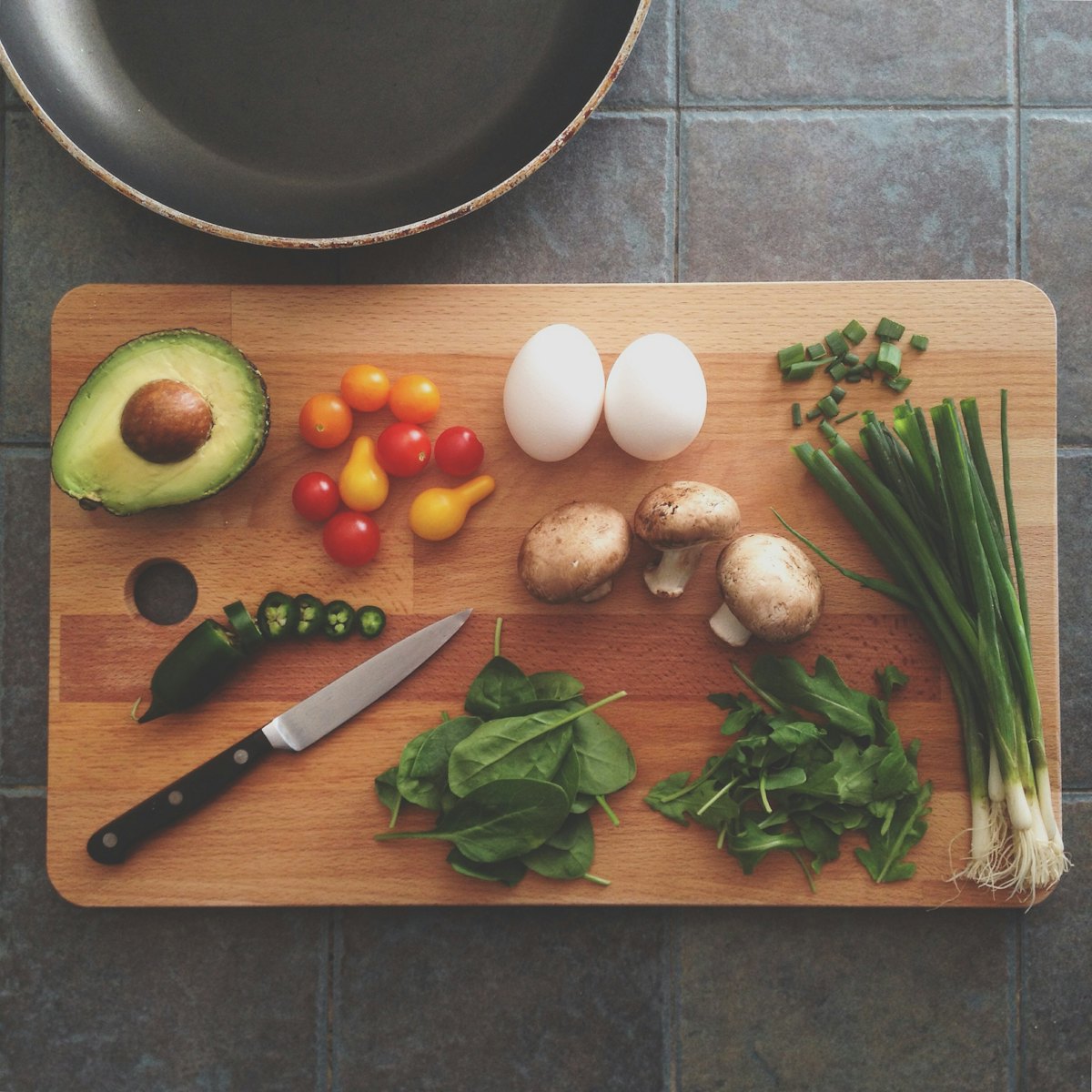
Root-to-Stem Cooking: How to Use the Whole Vegetable and Waste Nothing
If you've ever lopped the leafy tops off a bunch of carrots, tossed the stalks from a head of broccoli, or binned the stems of a bunch of herbs without a second thought, you're throwing away some of the most flavorful, nutritious parts of your produce. Root-to-stem cooking is the simple idea that most vegetables are edible from top to bottom — and that the bits we habitually discard can become soups, pestos, stocks, and snacks.
It's the vegetable equivalent of nose-to-tail cooking, and it's one of the easiest ways to stretch your grocery budget while cutting down on waste. Here's how to start seeing your vegetable scraps as ingredients, not trash.
Why root-to-stem cooking is worth it
When you buy a bunch of beets or a head of cauliflower, you're paying for the whole thing — leaves, stalks, cores and all. Throwing half of it away is like buying a loaf of bread and binning every other slice. Using the whole vegetable means you get more meals from the same shop.
- You save money by getting two or three uses out of a single purchase.
- You waste less, keeping edible food out of the bin and the landfill.
- You eat more nutrients — leaves and stems are often as rich in vitamins and fiber as the roots and florets.
- You cook more creatively, discovering flavors and textures you'd have missed.
The parts you're probably throwing away
Once you know what's usable, your scrap bowl starts to look like a pantry. Here are the most common offcuts and what they're good for:
- Carrot, beet, and radish tops: blend into pesto, chop into salads, or wilt into a sauté like any leafy green.
- Broccoli and cauliflower stalks: peel the tough outer layer and the inside is sweet and tender — slice into stir-fries or grate into slaw.
- Herb stems: parsley, cilantro, and dill stems carry huge flavor — finely chop them or simmer them into stocks and sauces.
- Leek and spring onion greens: the dark green tops are perfect for stock and soups.
- Celery leaves: use them like a mild herb in soups, stews, and potato salad.
- Chard and beet stems: colorful and crunchy — cook them a few minutes before the leaves, or pickle them.
Easy ways to use vegetable scraps
You don't need special recipes to get started — just a few reliable techniques you can apply to whatever you have on hand.
- Make a scrap pesto: blend carrot tops, beet greens, or herb stems with olive oil, garlic, nuts, and a little cheese. It freezes beautifully.
- Build a stockpile for stock: keep a bag in the freezer and add onion ends, carrot peels, celery bottoms, and leek greens until it's full, then simmer into broth. Our guide to making vegetable stock from scraps walks you through it.
- Crisp them up: toss broccoli-stem coins or thinly sliced stalks in oil and roast until golden for a snackable side.
- Blend into soup: almost any stalk or leaf can be simmered soft and pureed smooth. See our leftover soup guide for a flexible method.
How to store scraps until you're ready
The trick to root-to-stem cooking is holding onto scraps without letting them spoil before you use them. A little organization goes a long way:
- Keep a labeled "stock" bag or container in the freezer for peels, ends, and trimmings. Frozen scraps keep for months and go straight into the pot.
- Store tender greens like carrot or beet tops as you would any leafy green — wrapped loosely and kept cold — and use them within a few days.
- Wash gritty stems and leaves well; scraps from the base of leeks and celery often hide soil.
- Trim away anything genuinely slimy, moldy, or off — root-to-stem means using the edible parts, not spoiled ones.
Start small and build the habit
You don't have to transform every scrap overnight. Pick one thing this week — maybe a scrap pesto from the carrot tops, or a freezer bag for stock — and let it become second nature. Over a month, those small saves add up to real money and a noticeably emptier food bin.
A simple way to stay on top of it is to know what's actually in your kitchen before you cook. Food Waste Manager helps you track what you've bought and what needs using up, so those carrot tops and broccoli stalks get cooked instead of forgotten. Pair it with a quick look at what to cook with what you have and you'll find whole-vegetable cooking becomes the easiest, cheapest way to eat.
Waste nothing, spend less, and discover that the best part of the vegetable might be the part you used to throw away.
🥗 Put this into practice automatically. Food Waste Manager tracks your pantry, suggests meals that use soon-to-expire food first, and shows how much you save. Start free →