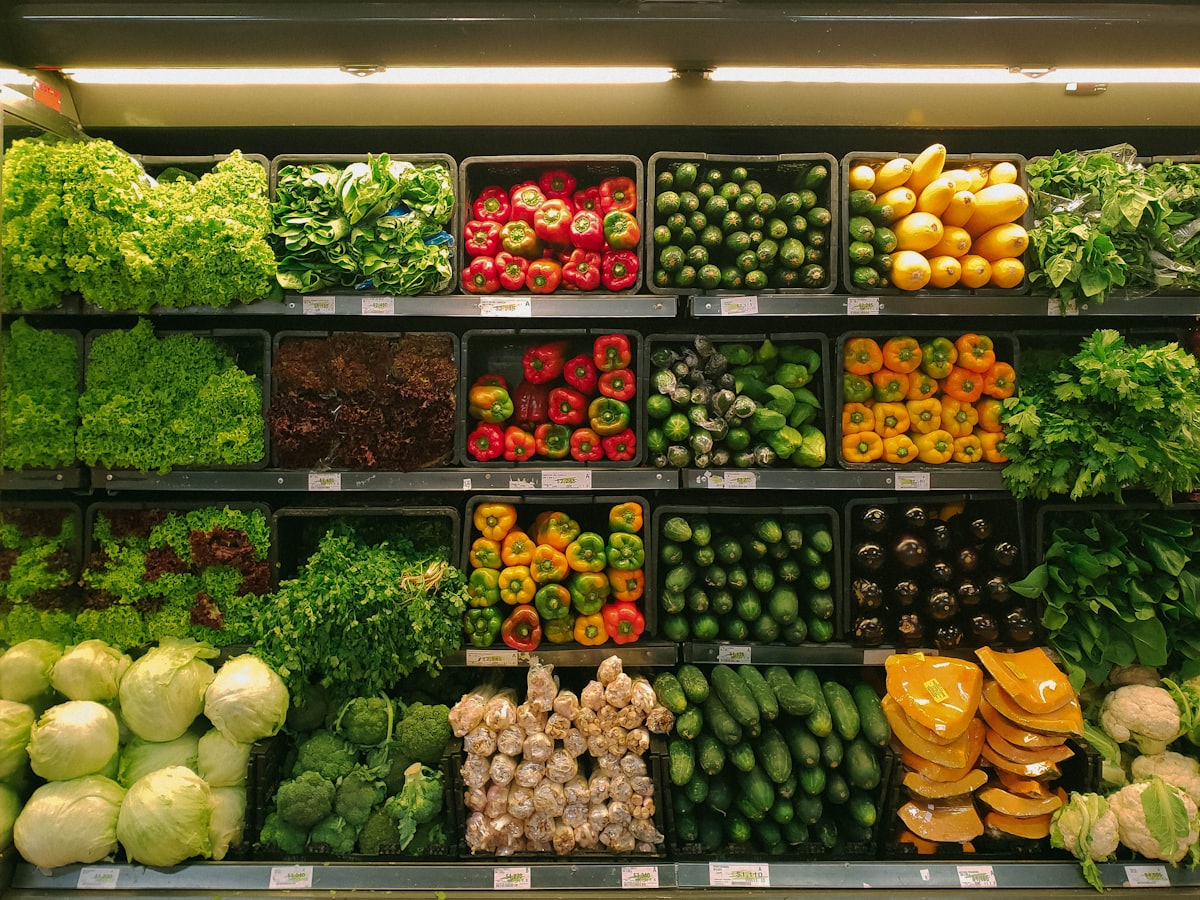
Eating Seasonally: How to Save Money and Waste Less Food
There's a reason a summer tomato tastes like sunshine and a January one tastes like nothing. Produce is at its best — cheapest, freshest, and most flavorful — when it's grown in season and close to home. Eating with the seasons isn't just a nice idea for food purists; it's one of the simplest ways to cut your grocery bill and stop throwing money in the bin.
When food is in season it's abundant, so prices drop and quality climbs. That combination means you buy better ingredients for less, and because they're fresher, they last longer in your fridge. Here's how to make seasonal eating work in a real, busy kitchen.
Why seasonal produce costs less
Supply and demand does the heavy lifting. When a crop is in peak season, farms harvest more of it than shoppers can buy, so retailers drop the price to move it. Out of season, that same item has to be grown in a heated greenhouse or shipped thousands of miles — and you pay for all of that in the sticker price.
- In season: lower price, peak flavor, longer shelf life.
- Out of season: higher price, picked underripe for travel, spoils faster.
Buying in-season also means the produce spent less time in transit and storage before it reached you — which is a big reason it stays fresh longer once you get it home.
A rough guide to what's in season
Exact timing depends on where you live, but the general rhythm holds almost everywhere:
- Spring: asparagus, peas, radishes, spinach, strawberries, spring onions, new potatoes.
- Summer: tomatoes, zucchini, corn, peppers, berries, stone fruit, cucumbers, green beans.
- Autumn: apples, pears, squash, pumpkin, mushrooms, broccoli, cauliflower, root vegetables.
- Winter: citrus, cabbage, kale, leeks, carrots, parsnips, potatoes, onions.
When you're not sure, let the store tell you: whatever is piled high near the entrance and marked down is almost always what's in season right now.
How seasonal shopping cuts food waste
Seasonal eating and waste reduction go hand in hand. Because in-season produce is fresher when you buy it, you get more days to actually use it before it turns. You're also more likely to build meals around what's abundant and cheap, rather than buying an out-of-season ingredient for a single recipe and letting the rest rot.
The trick is to still plan. Buying a flat of cheap summer peaches is only a saving if you eat them. Before you stock up, glance at your week and decide roughly how you'll use everything. A little forethought here is the difference between a bargain and a bin full of mush. If you want help tracking what you've bought and when it expires, Food Waste Manager keeps a running list so nothing gets forgotten at the back of the fridge.
Make abundance last: freeze and preserve
Seasonal gluts are a gift if you know how to bank them. When strawberries are a fraction of their usual price or your neighbor unloads a bag of zucchini, preserve the surplus instead of racing to eat it all:
- Freeze it: berries, chopped peppers, corn kernels and blanched greens all freeze beautifully for months. See our guide on how to freeze food to reduce waste.
- Cook and store: turn a tomato glut into sauce, apples into stewed compote, or squash into soup, then portion and freeze.
- Quick-pickle: cucumbers, radishes and onions keep for weeks in a simple vinegar brine.
Preserving the peak-season price means you're still eating cheap summer produce in the middle of winter.
Build meals around what's cheap
The most reliable way to save is to flip your usual routine. Instead of choosing recipes first and shopping for the ingredients, start with what's in season and let that shape your meals. Cheap autumn squash becomes soup, risotto, and roasted sides for the week. A summer tomato surplus turns into salads, pasta sauce, and salsa.
This is where a flexible, use-what-you-have approach pays off. If you're staring at a pile of seasonal veg and not sure what to make, our post on what to cook with what you have can help you turn odds and ends into a proper meal.
Small habits that add up
You don't need to overhaul your whole diet to benefit. A few gentle habits do most of the work:
- Check what's marked down or piled high before you write your list.
- Buy loose rather than pre-packed so you take only what you'll use.
- Visit a farmers market or veg box scheme for the freshest in-season prices.
- Keep a couple of "clear the fridge" meals — stir-fries, soups, frittatas — in your back pocket.
Eating seasonally isn't about strict rules or giving anything up. It's about working with the calendar instead of against it — spending less, eating better, and wasting far less along the way. Start with one or two in-season ingredients this week and build from there. Your wallet, and your dinner, will thank you.
🥗 Put this into practice automatically. Food Waste Manager tracks your pantry, suggests meals that use soon-to-expire food first, and shows how much you save. Start free →